Holiness as model
Saints' lives teach how a community names courage, asceticism, care, endurance, and wonder-working power. The genre orders ideal behavior in narrative form.
Hagiography is far more than a sequence of pious biographies. It is an architecture of memory: narratives about martyrs, monks, bishops, and visionary figures that shaped devotion, art, pilgrimage, and Christian self-understanding for centuries.
Instead of reducing saints' narratives to either fact or legend, `Hagiographies` treats the genre as an intersection of exemplary ethics, liturgy, visual culture, and source criticism.
Saints' lives teach how a community names courage, asceticism, care, endurance, and wonder-working power. The genre orders ideal behavior in narrative form.
Hagiography preserves more than a person. These texts also reveal the fears, expectations, and social structures of their authors and readers.
Icons, relics, and manuscripts turn saints into tangible presence: not merely illustrations, but instruments of memory and mediation.
Modern hagiographic study asks for historical rigor, while also showing why these narratives remained effective for so long within Christian cultures.
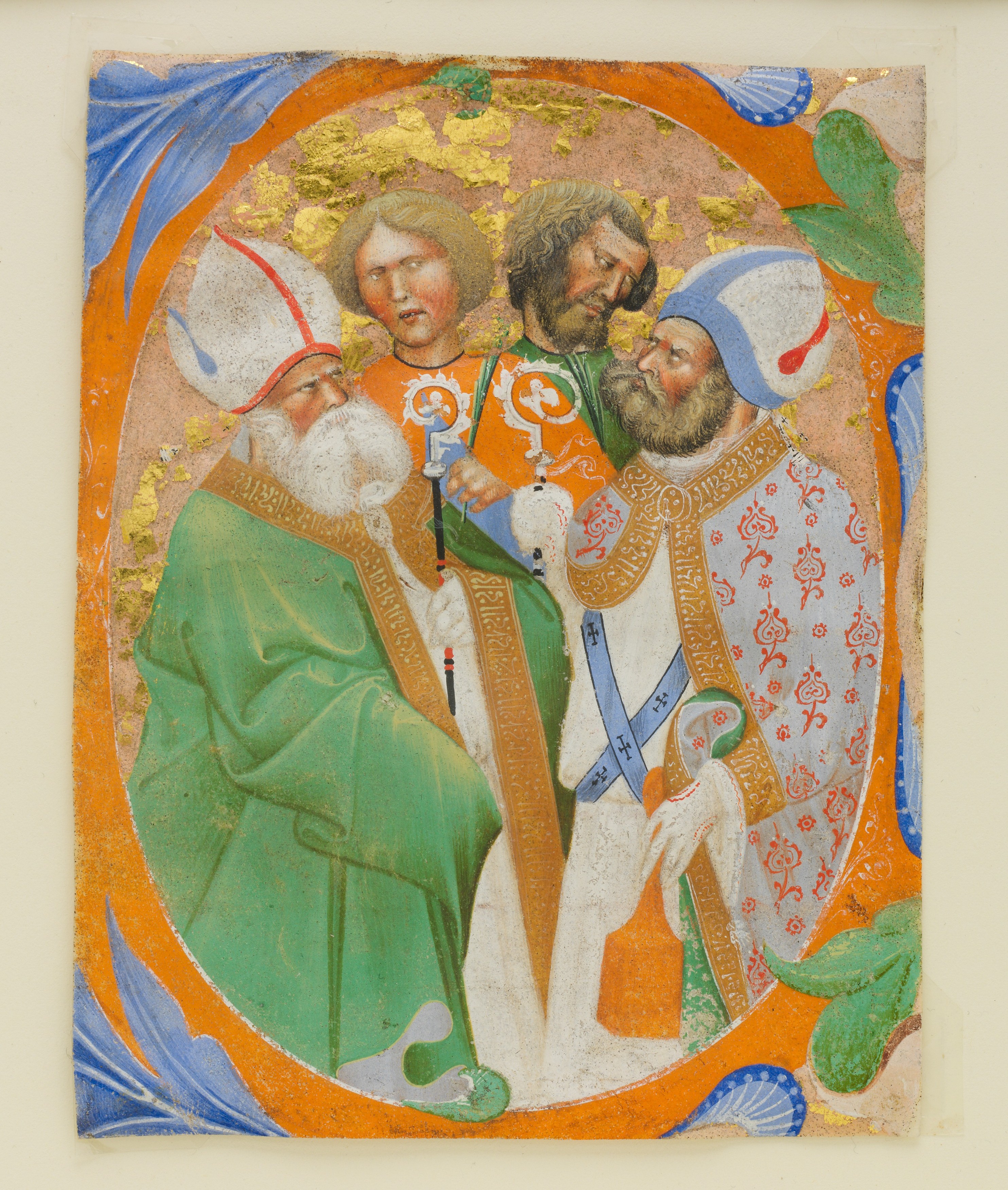
The earliest layers of hagiography begin with martyr acts. In the fourth century, Athanasius' `Life of St. Antony` spreads the ascetic ideal. Medieval compilations, relics, and Books of Hours then turn saints' stories into a daily cultural and visual fabric.
Martyr acts emerge as the first powerful narrative form.
`Life of St. Antony` makes asceticism a model of Christian perfection.
Compendia organize saintly narratives for a wider public.
The Bollandists sharpen textual criticism and historical evaluation.
Use the site as an exploration: historical, thematic, iconographic, or critical. Each page approaches the same field from a different angle.
Follow the shift from testimony to literary genre, and from devotion to source criticism.
See how saints become recognizable through roles, attributes, and recurring dramatic patterns.
Discover how relics, icons, and manuscripts turn narratives into presence.
Review the online research base and image licenses behind the current site version.
It also tells the story of the community that tried to recognize, preserve, and make holiness visible. That is why the genre is simultaneously spiritual, artistic, political, and historical.
“A saint's life is not only a portrait, but also a mirror of the age that felt the need to write it.â€Editorial summary of the critical hagiographic approach
“Where relics, images, and narratives converge, a culture of nearness emerges: the saint is not only remembered, but imagined as present.â€Summary of the devotional logic behind medieval saint veneration