The body of the saint becomes a center of nearness.
Medieval devotion did not see relics as neutral remains, but as carriers of intercession, healing, and presence. That is why reliquaries were richly fashioned and could attract pilgrimage.
Hagiography becomes visible in relics, icons, pilgrimage, illuminated manuscripts, and devotional objects. Visual culture turns the narrative into a space one can enter, touch, carry, or circle around.
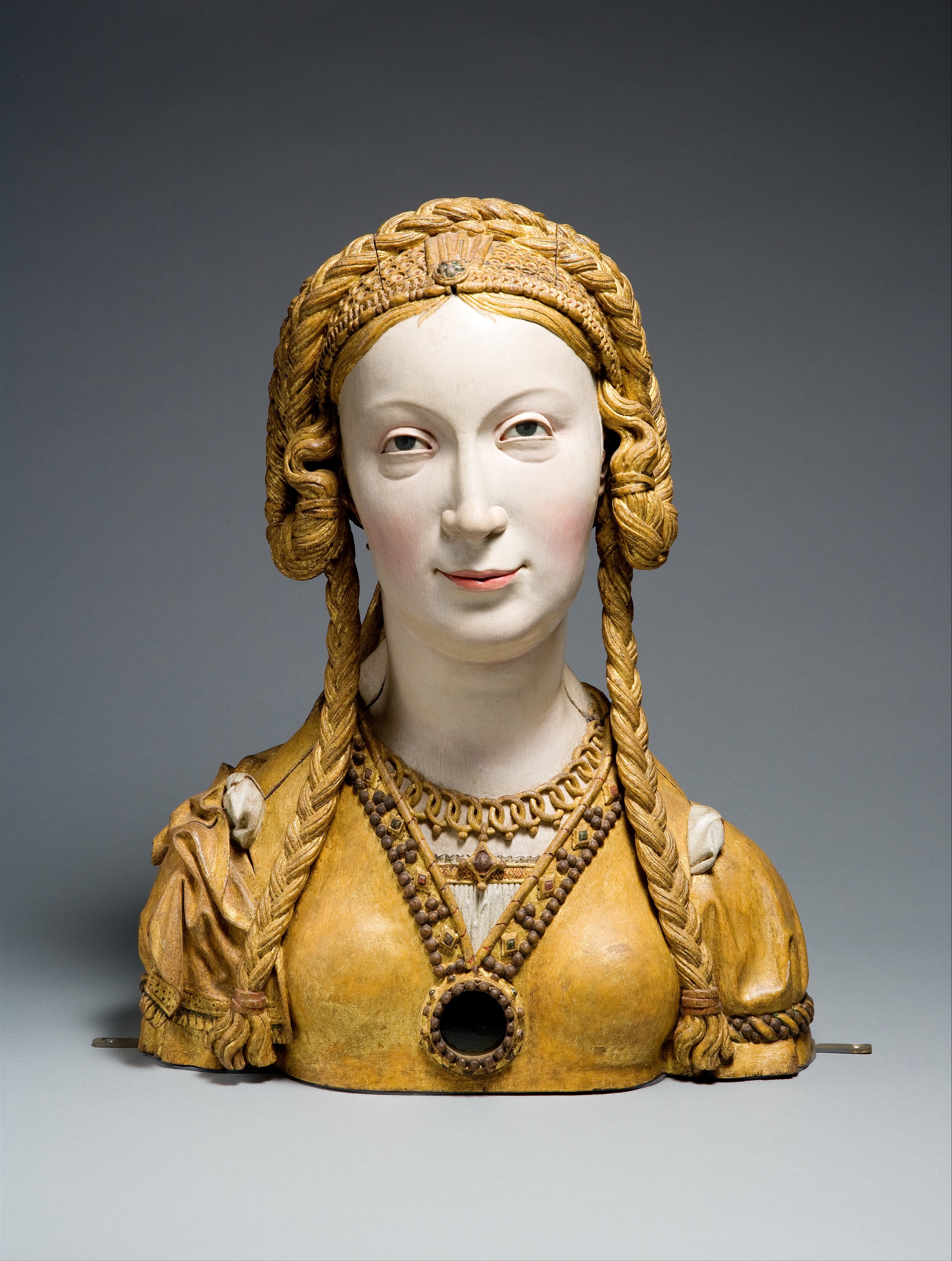
Medieval devotion did not see relics as neutral remains, but as carriers of intercession, healing, and presence. That is why reliquaries were richly fashioned and could attract pilgrimage.
Shrines, routes, and feast days make hagiography a spatial practice. The saint's narrative shapes where people travel and what they expect to receive there.
In the sources consulted for this site, three carriers return again and again: the object, the image, and the page.
Saints are embodied in material form so that touch, procession, and reverence can take concrete shape.
Images arrange the heavenly community. They make the saint recognizable as intercessor and model.
Illuminated pages link text, rhythm, and memory. In suffrages and miniatures, saints become part of daily prayer.
Books of Hours and choir books did more than preserve text. Images marked entry points, divided sections, and helped users move through calendar, hours, Passion narratives, and suffrages to saints.
When saints' narratives appear on such pages, they are not only read but activated by rhythm: morning, vespers, feast day, procession, remembrance.
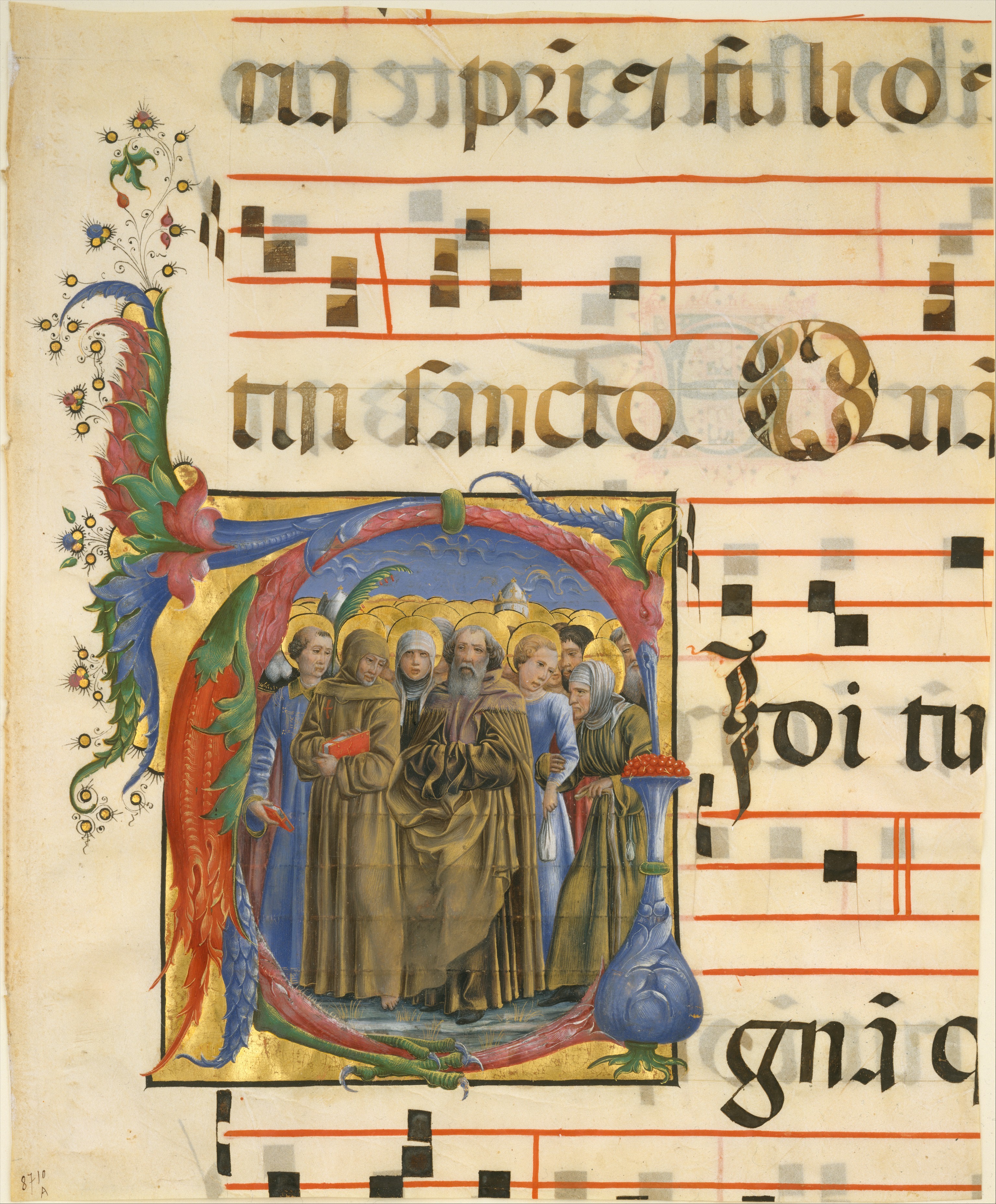
That is exactly why hagiography deserves a broad reading. Anyone who reads only the text misses the object; anyone who looks only at the object misses the liturgical and narrative engine behind it.
“The saintly image works as a visual door: not the saint itself, but a passage into memory, prayer, and imitation.â€Editorial synthesis based on museum essays on medieval saintly art
“A relic draws people not only because of past holiness, but because continued agency is expected there.â€Summary of the devotional logic behind relic veneration and pilgrimage